Tuusulan Vesi is upgrading its network – are your own service pipes in good condition?
Tuusulan Vesi is continuing the systematic modernisation of its water supply network. This year’s renovation projects are taking place in Hyrylä and Jokela. At these sites, ageing pipes will be replaced and the reliability and capacity of the water supply system will be improved. Property owners should also ensure that their own on-site water pipes and drains are in good condition.
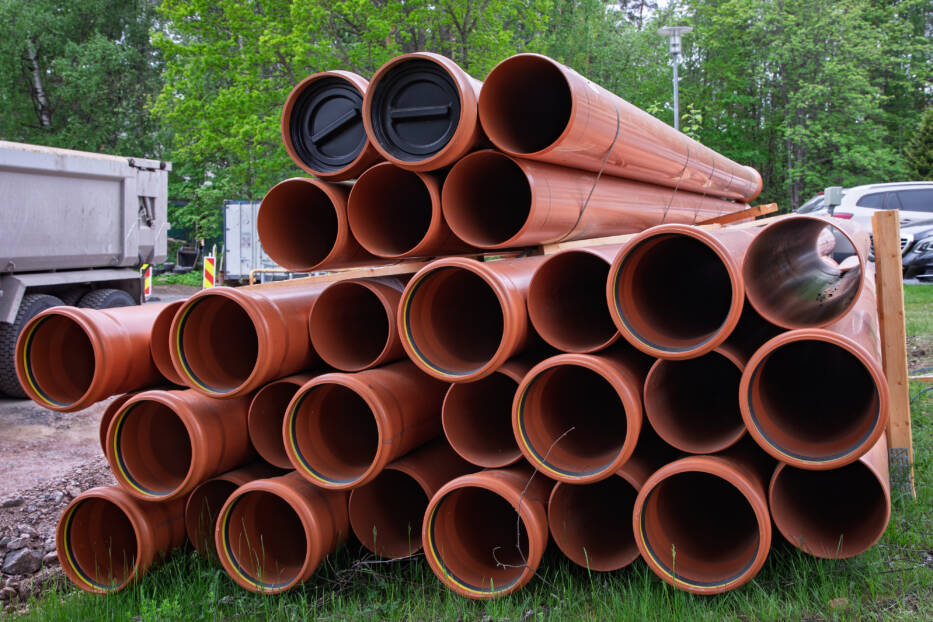
Water and sewerage networks have a long service life, but even they require regular renewal. Some of the pipework was installed decades ago, and as it ages, the risk of leaks increases, as do maintenance requirements.
Through systematic refurbishment work, we aim to prevent unforeseen pipe bursts, reduce leaks and ensure the supply of high-quality drinking water and an effective sewerage system for years to come.
Renovations in Hyrylä and Jokela
The largest network refurbishment projects in 2026 will take place in the Hyrylä and Jokela areas. The sites have been selected on the basis of a comprehensive review of the network.
In Hyrylä, the water supply network renovation is taking place in the area between Koskenmäki and Hyryläntie. The renovation work will be carried out on the pipelines located on Koskelantie, Torppakuja, Koskitie, Kivimiehentie, Nahkatehtaankuja, Nahkurintie and Hyryläntie.
In Jokela, we are carrying out renovation work on the water mains in the Keskustie, Kirjurintie, Syrjätie and Veturintie areas.
We will inform the owners of properties connected to the network separately regarding the precise scope, timing and duration of the works.
Where does the network’s boundary lie?
Dealing with leaks and repairs is made easier when the property owner is aware of their own responsibilities and those of the water supplier, as well as the boundaries between them.
The boundary between the areas of responsibility of Tuusulan Vesi and the property owner lies, in the case of water supply, at the main water supply pipe of the utility, and, in the case of waste water, at the main sewer. This means that the property owner is responsible for their on-site water pipes and sewers from the point of connection onwards, as well as for the internal water and sewerage systems within the building. Only the water meter is the responsibility of Tuusulan Vesi.
Where is the underground valve?
The property valve must be kept clearly visible, and the property owner must be aware of its location. The property’s service valve and its functionality are always the responsibility of the owner. However, the customer must not close or open the shut-off valve on the service pipe themselves; this work must be commissioned from Tuusulan Vesi.
Do you know the condition of your own service cables?
In older properties, it is important to pay attention to the condition of the on-site water mains and sewers as part of property maintenance. Water mains and sewers must be replaced when they reach the end of their service life.
A good opportunity to replace old service pipes is, for example, during our main pipeline renovation works, when excavation work is already underway on the street. An old water main can cause water quality problems as well as a risk of leaks, and in the worst-case scenario, a leaking or collapsing pipe can damage the buildings on the property.
Property owners must also bear in mind that rainwater and drainage water from foundations must not be discharged into the sewer system. Stormwater and foundation drainage water discharged into the sewer system, as well as leaking sewer pipes and manholes, place a strain on sewage pumping stations and increase their energy consumption. In the worst-case scenario, they can cause overflow at the pumping stations.
How do the restructuring measures affect local residents?
Renovation works are a key part of the development of the water supply system. There may be changes to traffic arrangements, site traffic and water supply interruptions in the areas affected by the works. There may also be temporary noise at the worksites.
We aim to provide advance notice of any impacts caused by the works. Separate notices will be issued regarding any interruptions to the water supply and temporary changes to water quality whilst the works are in progress.
Renovating the water supply network is an investment in the future. Although the work may cause some disruption to everyday life in the short term, its aim is to ensure a reliable water supply for decades to come.
What can you put in the loo?
You should only put down the drain things that people have eaten or drunk, as well as toilet paper and washing water. By following these drainage etiquette guidelines, you’ll avoid unnecessary blockages and water damage, and keep your pipes in good condition.
Do not put the following down the drain:
- rubbish
- food scraps and fat
- harmful chemicals and medicines.
The drain is not a rubbish tip!
Rubbish and grease cause blockages in sewer pipes and at sewage pumping stations. Food waste feeds the rats living in the sewer system, and chemicals place a strain on sewage treatment works and the Baltic Sea.
This content has been translated using AI